This entry was posted on 24 May 2021 in Keeping Chickens.
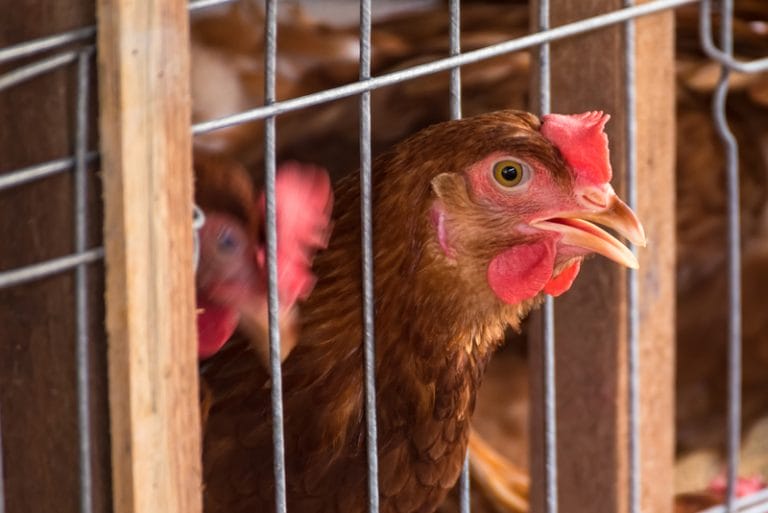
Battery hens have never been able to do what comes naturally to them. The cramped conditions these chickens live in mean they can’t scratch the ground, forage, or nest as they’re laying their eggs. It’s cruel to deprive chickens of these natural behaviors by stuffing them into pens where they can’t even fully expand their wings.
The horrendous environments these chickens are kept in are the reason many charities have been hard at work to rehome them. Since 2005, the British Hen Welfare Trust (BHWT) has been working on battery hen rehousing in the UK. 824,000 battery hens have been rehomed by the BHWT in the last 15 years.
Charities like the BHWT rely on kind and caring chicken owners to take in battery hens and give them a new home. However, there are many misconceptions around battery hen adoption. Battery hen rehousing can be a rewarding and fulfilling experience as you see the chicken that you’ve taken in regain its health and happiness.
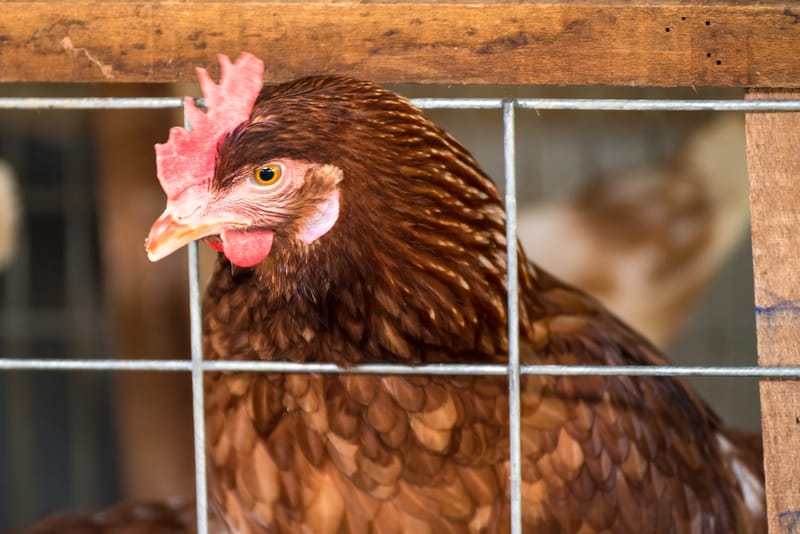
The biggest myth surrounding battery hens is that their feathers don’t grow back. Chickens molt and replace their feathers once a year, however, battery hens are constantly kept under midsummer lighting so they lay eggs all year round. It’s commonly accepted that this is why battery hens don’t regrow their plumage after molting while living in a battery cage.
Chicken owners considering battery hen adoption may be put off by this myth. Fortunately, the myth couldn’t be further from the truth. Their feathers will regrow within 2 to 3 months after rehoming a battery hen, so they’ll be looking like the rest of your flock in no time. Seeing your new birds pecking around their coop with new feathers is a heartwarming sight.
This myth was peddled by industries invested in keeping battery hens in cramped cages. However, it has been debunked time and time again. Back in 1996, the European Scientific Veterinary Committee concluded that forcing hens to live in battery cages is a severe disadvantage to their welfare.
Chickens have a wide range of natural behaviors they will exhibit in a free-range environment. The best example of this is dustbathing and foraging, which involve them cleaning themselves and finding food on the ground. Battery cages don’t allow the birds to do these activities, exercise, or rest without being disturbed.
Free-range chickens don’t experience any of these issues and can do what comes naturally to them, which is why they’re much happier than battery hens.
Battery hens suffer from increased stress which can make them seem more aggressive than free-range chickens. The confined conditions can also lead to osteoporosis, which can result in broken bones due to a lack of exercise and calcium because of their living conditions. As they can’t peck with their beak, this also results in an overgrown beak.
Chickens kept in battery cages will begin pecking at other hens and plucking their feathers. As chickens can’t forage on the ground, this behaviour manifests by pecking at the birds around them. This can lead to cannibalism and cause serious injuries to the chicken that is pecked at.
Once you’ve rehomed the birds, they will calm down and become more docile creatures. Free-range chickens can forage on the ground for food which means they’re happier and don’t resort to pecking at the birds around them. As they have better nutrition, a living environment, and a reduced risk of diseases, chickens not living in battery cages are much healthier.
In 2012, the UK, alongside the countries in the EU, banned the use of battery cages. They took this decision based on 30 years of scientific research that concluded the use of battery cages was unacceptably cruel. Unfortunately, the RSPCA is very concerned that chickens are still being mistreated in the UK today.
This is why many charities are still working tirelessly to rehome hens across Britain. The biggest charity is the BHWT, however, there are lots of smaller charities rescuing and rehousing battery hens every year. To save these chickens from the cruel conditions of battery cages, charities require generous people to rehome battery hens.
Taking battery hens into your chicken coop is a fun and rewarding experience. Chicken owners can give battery hens a life of care they’ve never experienced before. You can give them a comfortable coop to call home, appropriate nutrition, and space for them to exercise.
After watching your rehomed chickens regain their full health, it’s impossible for the sight of them grazing, scratching, and nesting not to bring a smile to your face. Chicken’s feathers will regrow and they become noticeably happier after a few weeks living in their new chicken coop. For chicken owners who love looking after their birds, it’s an experience you can’t put a price on.
Once you’re adopted battery hens, you need to know the best ways to look after them. Watch out for the next entry in a series of blogs on caring for battery hens, to find out the best way to look after your new feathered friends.
Give your chickens a home you and your feathered friends can be proud of. When you’re rehoming chickens, you may need to expand your existing living arrangements. Potentially, you may need a new coop to house your hens and ensure they’re healthy and happy.
For a chicken coop that keeps your chickens safe, full of life, and chirpy all year round, get in touch with Cocoon Chicken Coops.